
In Italy, coffee is less a drink than a rhythm that shapes the day. It is the quick espresso at the bar before work, the cappuccino with a pastry at breakfast and the short coffee that closes a long lunch. Understanding Italian coffee culture makes every cup more enjoyable, whether you are planning a trip or simply want to bring a little Italy into your kitchen. Here is our guide to the classic Italian coffee drinks, the unwritten rules and how to enjoy them at home.
A short history of the Italian coffee bar
Coffee arrived in Italy through Venice in the 1600s, but the culture we know today took shape in the twentieth century with the arrival of the espresso machine. Coffee bars spread through every town and neighbourhood, and the espresso became an affordable daily pleasure.
That is the world Filicori Zecchini was born into. Founded in Bologna in 1919, the company has spent over a century roasting coffee for Italian bars, and its blends are designed to deliver the full, balanced cup that Italians expect. Read how the two founders started out with a small coffee shop in Bologna on our About Us page, and discover the values that still guide the family business in our Manifesto. You can find them all in our Italian coffee collection.
Classic Italian coffee drinks explained
Caffe (espresso)
In Italy, simply ordering “un caffe” gets you an espresso. It is short, strong and topped with crema, and it is usually drunk in two or three sips at the bar.
Ristretto
A ristretto is a “restricted” espresso made with less water. It is even shorter and more concentrated, with a sweeter, more intense flavour.
Lungo
The opposite of a ristretto, a lungo runs more water through the coffee for a longer, lighter drink. It is not the same as an Americano, which adds hot water to a finished espresso.
Macchiato
Caffe macchiato means “stained coffee”: an espresso marked with a small spoonful of foamed milk. It is a favourite mid-morning pick-me-up.
Cappuccino
The most famous Italian coffee drink combines espresso, steamed milk and a generous layer of foam. Italians drink it almost exclusively at breakfast, often with a cornetto.
Caffe latte
Order just “un latte” in Italy and you will get a glass of milk. Ask for a caffe latte: espresso with plenty of hot milk and only a little foam, a gentle start to the day.
Corretto
A caffe corretto is an espresso “corrected” with a small splash of grappa, sambuca or brandy, traditionally after dinner.
The unwritten rules of Italian coffee culture
- Milk is for the morning. Most Italians avoid milky coffees after about 11am, believing they are too heavy after a meal.
- Stand at the bar. Drinking at the counter is quicker and often cheaper than sitting at a table.
- Pay first, then order. In many busy bars you pay at the till and hand your receipt to the barista.
- Espresso after meals. A short coffee is the classic way to close lunch or dinner.
- No takeaway culture. Coffee is usually enjoyed in a few minutes on the spot rather than carried around.
How to order coffee in Italy
Keep it simple and polite: “Un caffe, per favore” for an espresso, or “un cappuccino, per favore” in the morning. Add “doppio” for a double, “decaffeinato” for decaf and “macchiato” if you would like a drop of milk. A friendly “grazie” goes a long way.
Recreating Italian coffee culture at home
You do not need to be in Bologna to enjoy these rituals. A few choices make a real difference:
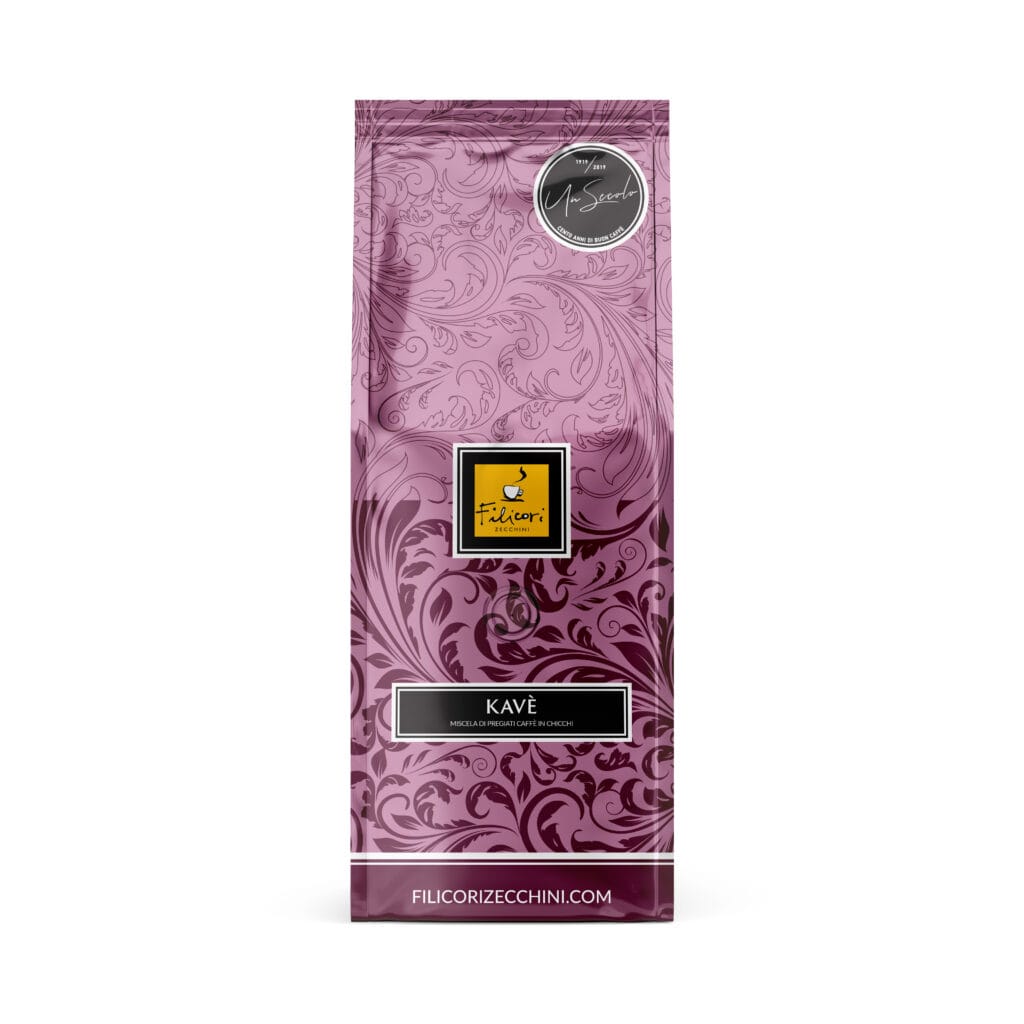
- Pick a true Italian blend. Kave is a 90% Arabica and 10% Robusta blend with chocolaty, nutty notes, while Delicato is smooth and well suited to cappuccino and caffe latte.
- Choose your format. Whole coffee beans give the freshest result in a bean-to-cup or traditional machine. Our ground coffee is ideal for a moka pot.
- Make it effortless. Our Nespresso compatible capsules and ESE paper pods bring Italian espresso to your kitchen at the touch of a button.
- Do not forget decaf. An evening espresso is easy with Kave Decaf, so you can keep the after-dinner ritual without the caffeine.
Coffee and food pairings Italians love
At breakfast, cappuccino goes with a cornetto or a biscuit. After lunch, a plain espresso cleanses the palate. In the afternoon, a macchiato pairs well with a small pastry, and after dinner a ristretto or corretto rounds off the meal.
Italian coffee culture: quick answers
Why do Italians not drink cappuccino in the afternoon?
It is mostly tradition. Milk is seen as a breakfast food and too filling after lunch, so later in the day Italians switch to espresso or macchiato.
Is Italian espresso stronger than British coffee?
Per sip, yes, it is far more concentrated. Per cup it often contains less caffeine than a large mug of filter coffee, because the serving is so small.
What is the best Italian coffee for cappuccino at home?
A blend with some Robusta gives body and crema that cut through milk. Delicato and Forte are both good choices.
Related guides: how to make espresso at home and the best Nespresso compatible capsules.
Bring the Italian coffee bar home
Italian coffee culture is about small pleasures taken seriously: good coffee, made properly, enjoyed in the moment. Explore the full Filicori Zecchini range and start your own daily ritual. Orders over £19 qualify for free UK delivery.